Job Choreography: Working in Rhythm with Derek
A mother’s quiet artistry in shaping meaningful work for her non-speaking son
Origin
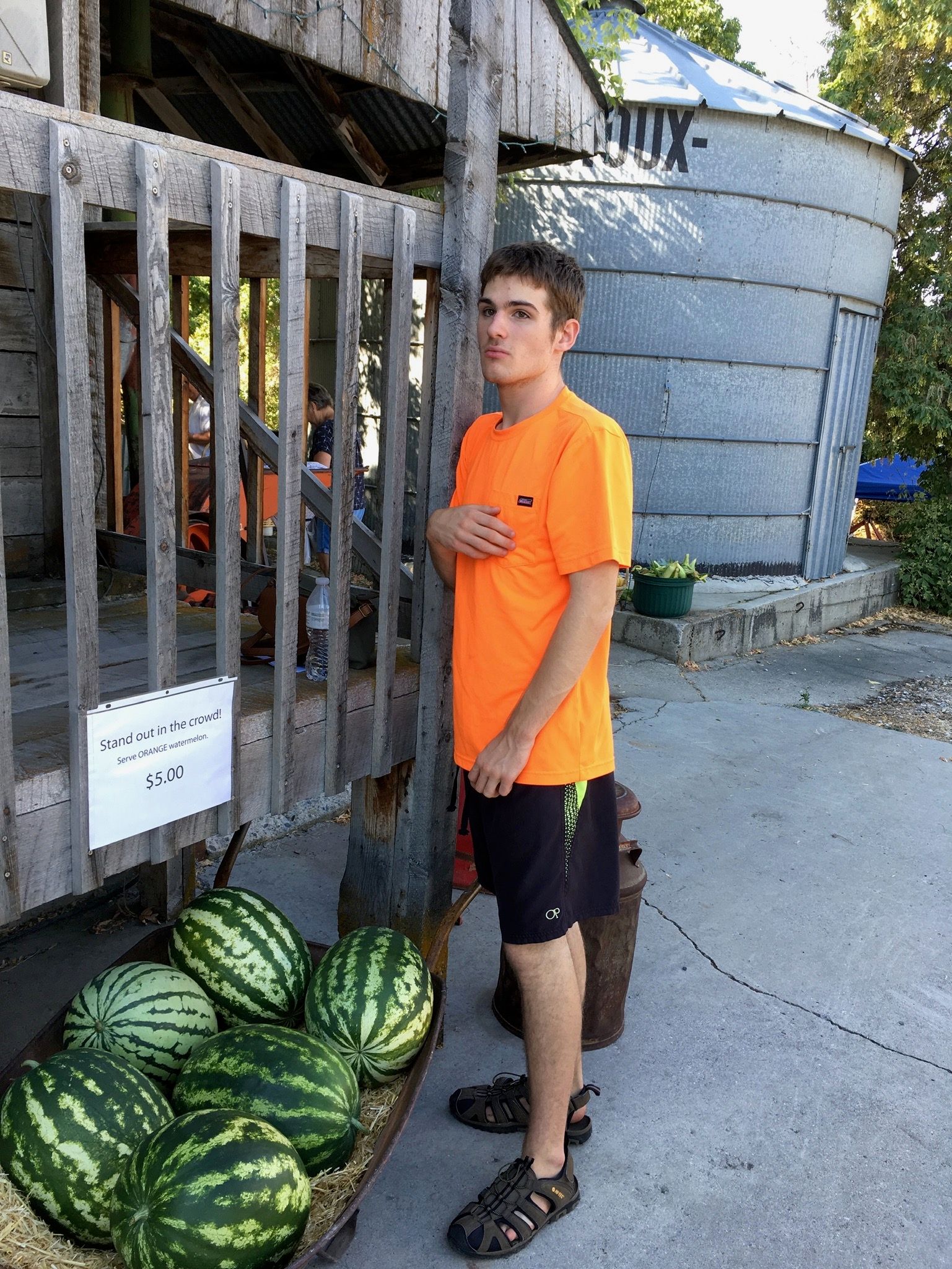
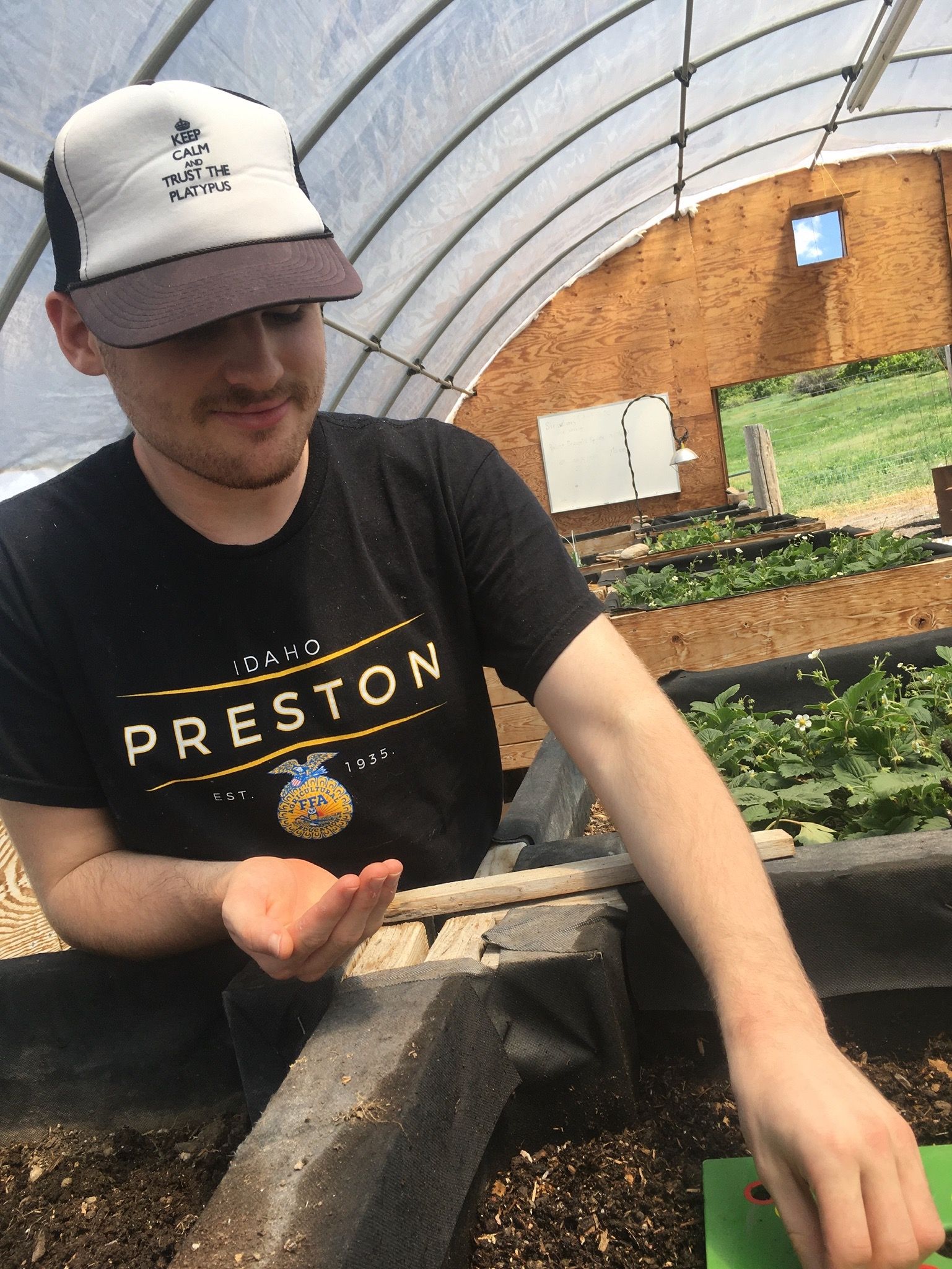
Derek’s work world began outdoors. His mother recalls that he “wanted nothing to do with screens of any kind” but could spend hours outside — walking, splashing, and climbing. He was curious about anything that offered a sensory experience, or better yet, an adrenaline rush.
As a child, Derek gravitated toward hands-on academics: cutting, gluing, tracing letters, copying printed words. When coloring books became too simple, his mother found adult symmetrical designs and began a quiet duet — “I colored one half and he colored the other.”
Those mirrored patterns became their shared language. The grids and balance that guided his coloring still guide how they work together: visual, rhythmic, and tangible.
The Work
Today, their workspace is a mix of home workshop and garden, shifting with the seasons. In autumn, with the greenhouse resting, they prepare for a November craft sale.
The current project is papercrete for gnome house kits. Derek helps shred old paper, runs a drill-mounted paint stirrer to make pulp, and transfers the mixture through a strainer — “with a satisfying plop,” his mother says. He finishes by applying wood stain to miniature doors and windows using a Q-tip.
These moments rarely last more than an hour spread over several days, but they carry a deeper meaning: “Just knowing that he had a part in it gives us a sense of purpose.”
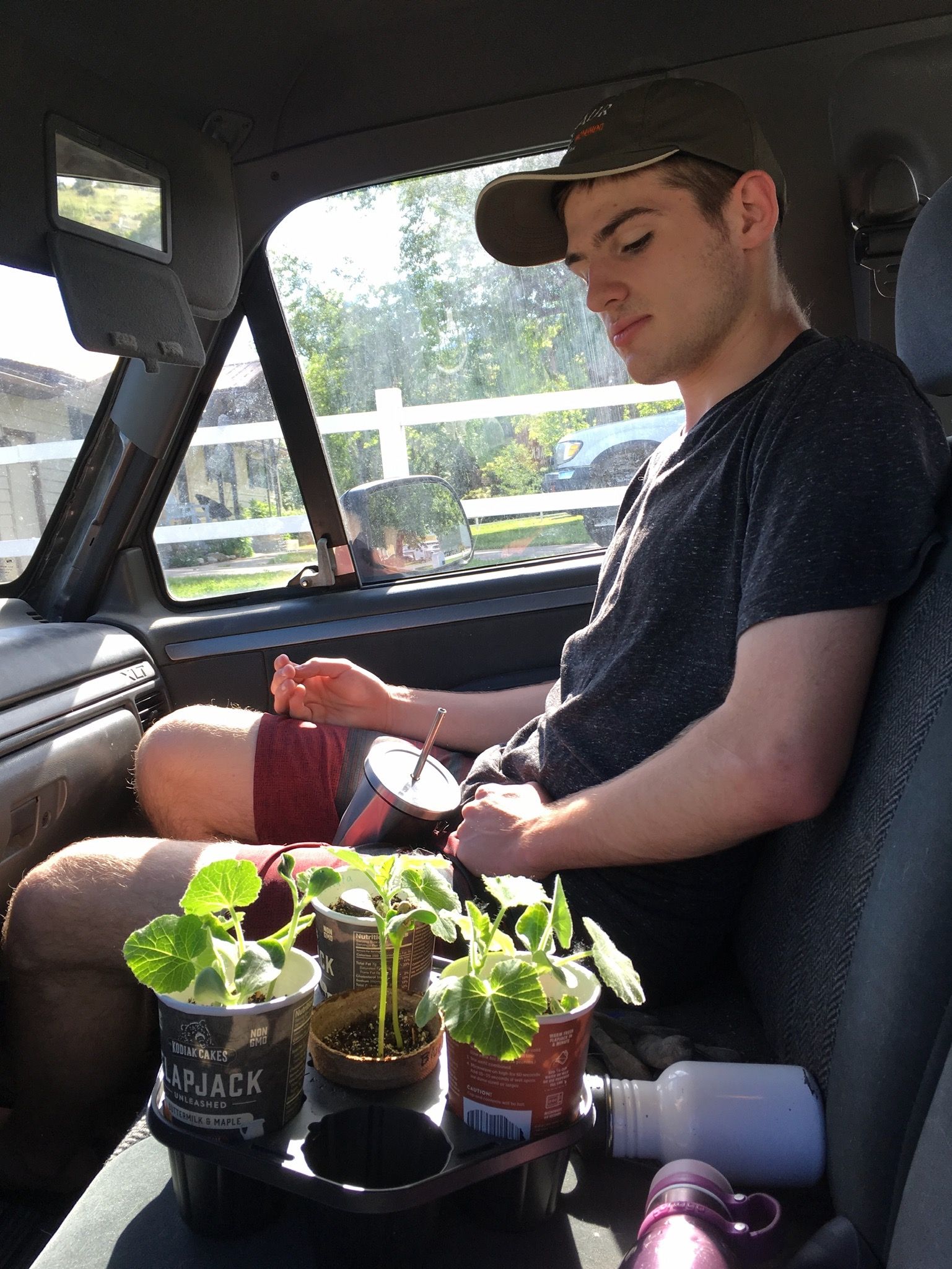
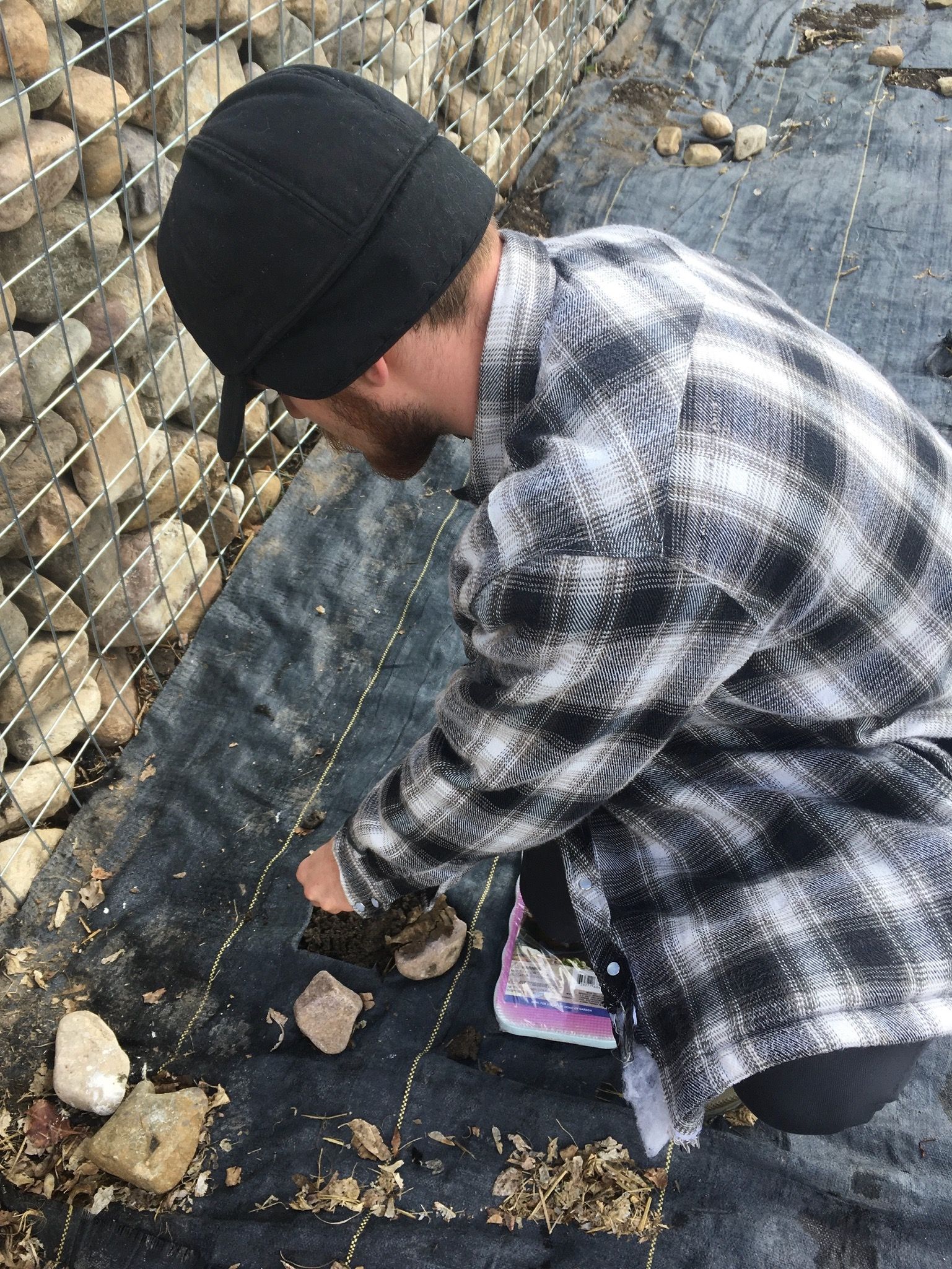
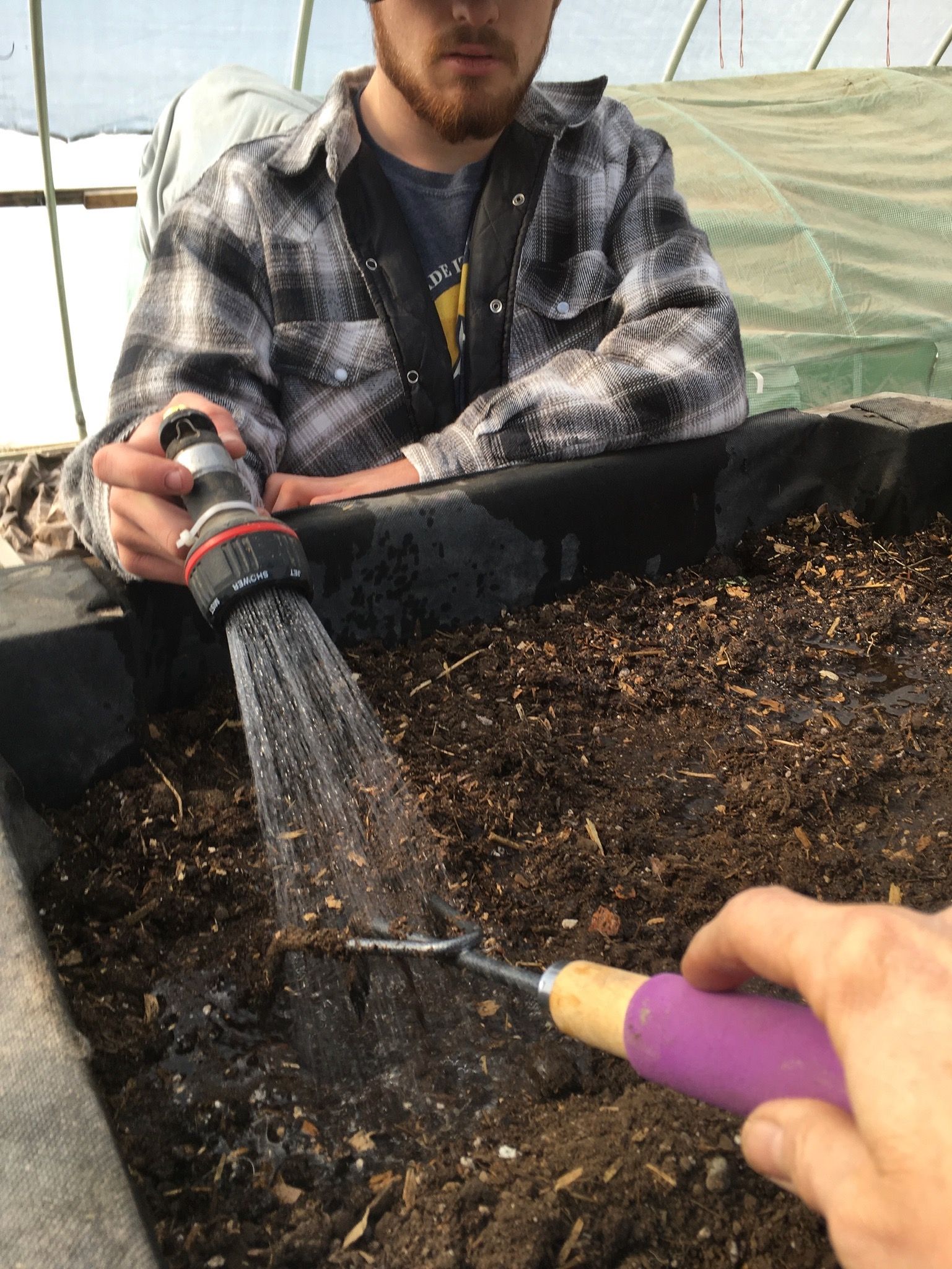
Derek’s sense of accomplishment is tightly tied to visible results. When the craft kits are packed for sale, when a new bed of lettuce is planted — those are the moments he recognizes completion. His mother describes, “He walks around the plants folds his arms and smiles down at them, almost like a mother would look at a baby in its crib.”
Supports & Accommodations
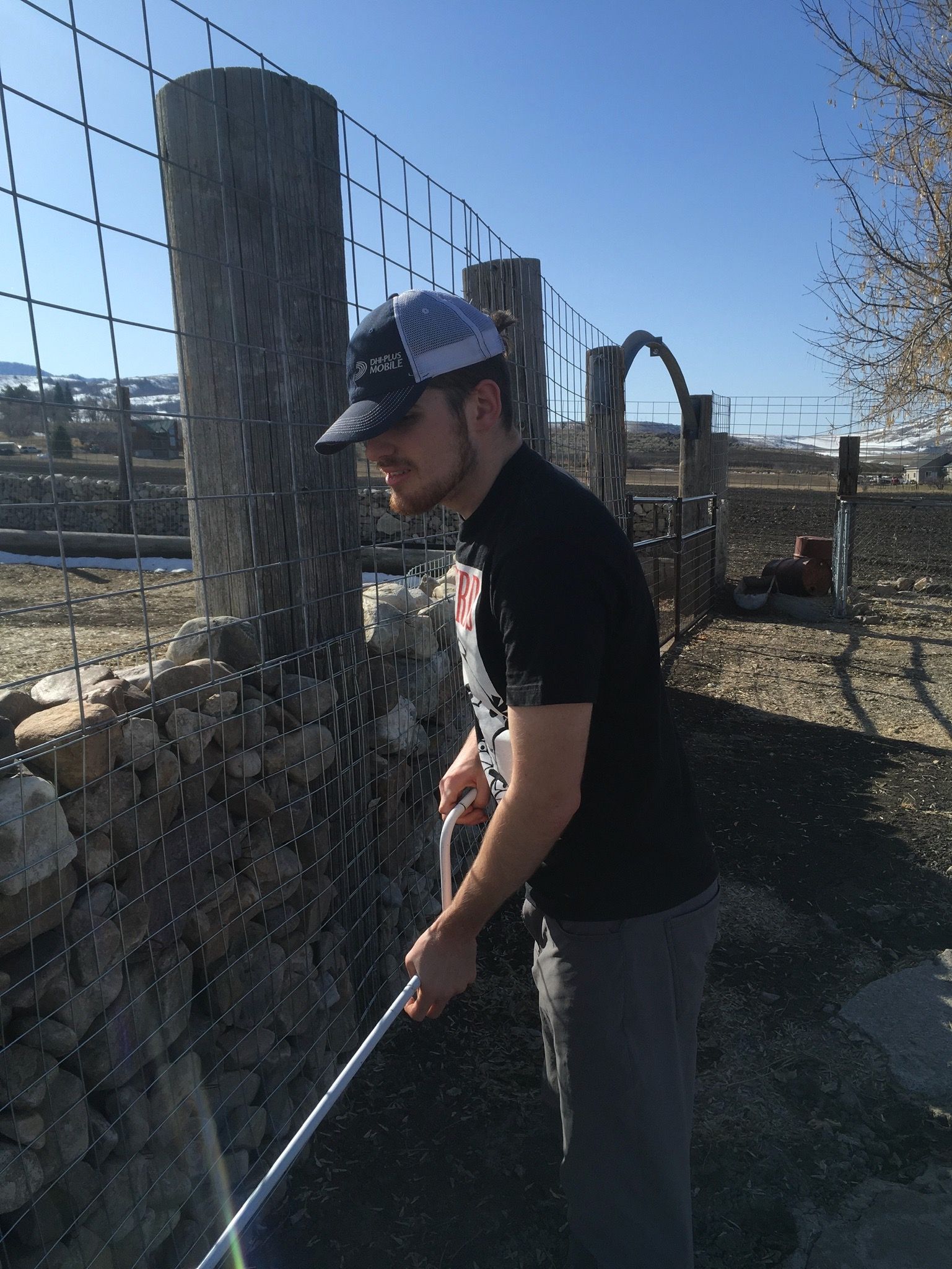
Derek’s days depend on structure and pacing. “He moves like an express train all day,” his mother laughs, “and I have to throw down track in front of him.”
Each task is broken into tactile, predictable steps — shredding, stirring, transferring — with materials chosen for comfort and sensory balance. Wet paper pulp, soft wood grain, and the rhythm of instrumental music all help him stay engaged.
Because Derek is easily overstimulated by noise or clutter, his work protocol focuses on one prepared sequence at a time. Between these moments, he listens to music — his chosen form of play and rest.
Outcomes
Derek defines work by its closure — the visual satisfaction of something finished, shipped, or planted. Music is play; chores like shoveling snow or carrying trash are work because they follow a process and end with visible change.
This pattern-based understanding has become a bridge between him and his mother. Each shared project builds continuity. “Even if he’s just hanging around watching me do stuff, I count that as work,” she explains. “Next time, he’s more engaged because he can picture it all in his mind.”
His satisfaction is wordless but unmistakable: the quiet smile, the folded arms, the stillness in front of something he helped create.
Advice for Others
When asked what brings her joy in these shared sessions, Derek’s mother pauses. “I love being with living things that have no spoken language,” she says. “When Derek is happy and engaged, it’s like being in the zone — the way a musician feels after mastering a piece. Then you’re free to concentrate on interpretation.”
That feeling, she says, is why she calls their method Job Choreography — the art of arranging tasks, timing, and space so that movement and meaning flow together. “When I have a project really organized and he finishes and smiles… yeah. It’s like we just bow and walk off the stage.”
“It’s like we just bow and walk off the stage.”
Her advice to other caregivers: treat work as performance, not production. The goal isn’t speed or independence but connection through rhythm — creating small, complete cycles where pride can live.

Closing Reflection
Watching Derek at work reveals something universal about purpose: it’s not found in the task alone but in how it fits into a pattern we can see and feel.
For Derek, grids, soil, and the repetition of handmade projects bring calm and meaning. For his mother, the same moments offer a kind of silent duet — a shared composition made of texture, patience, and love.
Together, they practice Job Choreography — not just work, but a moving form of art.